
Who Holds Tokenized Stocks? A Large Number of Retail Investors with Highly Concentrated Assets

 Prefer us on Google


Over 70% of wallets hold only a single stock token, and 90% of wallets hold stock tokens from only one issuer.
Written by: DJ Hà Trang
Compiled by: Chopper, Foresight News
A month ago, we recorded over 1 million wallets related to tokenized stocks on the Solana chain, with approximately 660,000 wallets on the Robinhood platform. Recently, our research compiled data from six issuers: counting each wallet with a balance as a unique account, the total reached 5 million; after setting a $1 threshold, 1.2 million remained; if each wallet is counted only once, only 740,000 remain.
This last figure represents the true scale of independent users, which is not small, but the value of their held assets is very low. The median holding address only holds $4.58, with most holding only a single type of token from one issuer. Half of the asset value is concentrated at the other end: each issuer has fewer than 50 wallets controlling half of the assets, many of which are exchange wallets, liquidity pools, and multi-signature wallets.
This study covers six issuers: bStocks Finance, xStocksFi, Robinhood Crypto, Ondo, BackpackOnchain, and Coinbase, compiling addresses holding more than $1 in tokenized stocks, calculating the amount held by each address, the number of underlying assets, and categorizing large holding addresses to attempt to answer who exactly holds tokenized stocks on-chain and how large their holdings are.
Most Wallets Hold Only One Stock Token
On five public chains, over 70% of wallets hold only a single stock token, and 90.1% of wallets hold stock tokens from only one issuer. Ordinary holders often have only one position rather than a diversified portfolio.
If a wallet holds only one underlying asset, it is because there are too few options available; therefore, issuers with longer product lists should have users holding a greater variety of assets. However, this is not the case: Ondo lists 458 products, five times more than bStocks (91), yet the average number of underlying assets held by user wallets is similar. The true determinant of holding diversity is the scale of funds. Wallets holding $1–10 on average hold 1.19 underlying assets, with the median wallet falling within this range; only after holdings exceed $100,000 does the average number of underlying assets exceed six.
Even a longer product list does not change this pattern. Among the 194 products listed on Robinhood, 98 products have no wallets holding over $1; among the six issuers, only 858 wallets (0.1% of the total) hold 26 or more different underlying assets.
Half of Wallets Hold Less Than $4.58
The amounts in these single-position wallets are generally very small. The median wallet holding across the six issuers is $4.58. By issuer, Backpack has the lowest median at $3.51, while Coinbase has the highest at $10.57. Wallets holding less than $10,000 account for over 97% of the number of wallets for each issuer, but the proportion of circulating market value they hold varies significantly: it accounts for only 2% in bStocks, while it reaches 15.3% in Backpack.
On the Robinhood platform, 187,538 wallets holding less than $10,000 account for 99.7% of the total, yet they only hold 7.7% of the circulating market value; 13 wallets holding over $1 million control 57.9% of the value. Additionally, there are 3.8 million accounts with holdings of less than $1, with 70%–79% of accounts in the original statistics from each issuer having balances below $1.
Half of Each Issuer's Assets Concentrated in Fewer Than 50 Wallets
Funds are highly concentrated in top addresses. More than half of the value in bStocks is held by a single wallet; the top 24 wallets on Ondo hold half of the value. Among the five issuers surveyed, Backpack has the highest degree of dispersion, requiring only 41 wallets.
In bStocks, five wallets hold 87.2% of the assets, valued at approximately $1.07 billion. Arkham's tags indicate that these five addresses belong to Binance or Ceffu (formerly Binance Custody). The largest is Binance's hot wallet, which alone holds 52.7% of the share, covering 88 of the 91 products in bStocks. Additionally, nine ordinary wallets without exchange tags, each holding over $1 million, only account for 2.7%.
On the Ondo side, Safe multi-signature wallets and other contracts hold $265 million, roughly equal to its large ordinary wallets; two wallets tagged with exchanges (one belonging to Gate) hold $15 million. On the Robinhood Chain, most top assets are within contracts: Uniswap v4 pool managers hold $47 million, Lighter_xyz exchange contracts hold $7.6 million, and the Morpho lending market along with four Safe multi-signatures hold a total of $10.5 million. Backpack's DEX pools hold 40.4% of the total wallet value, while MEV searcher wallets account for 6.2%.
-- Price
Number of Small Wallets Continues to Expand
Some might think that these users with only small single positions are just short-term transient funds, but data shows that this group continues to grow. From October 2 to October 21, the total number of independent wallets across chains increased from 671,096 to 748,216, an increase of 11.5%. During the same period, the median price of tokens from the six issuers dropped by 5.2%, and price declines would cause many wallets to fall below the $1 threshold. The only issuer to see a decline in wallet numbers was Robinhood Chain, down 2.1%, also due to price factors: its median token price dropped by 7.3%, with 6,275 wallets' balances within 8% of the $1 threshold, and the number of lost wallets was only 3,982.
New users are primarily concentrated in specific types of wallets. On the Solana chain, single-token wallets are growing the fastest at 18%; on EVM chains, single-token wallets are growing at 12%, four times the growth rate of wallets holding 2–3 types of tokens (3%). The proportion of wallets holding products from multiple issuers has not increased.
Their balances are also declining faster than the price: on EVM chains, the average balance of single tokens dropped by 11%, from $1,566 to $1,388, more than double the median token price drop of 5.2%.
Conclusion
There are two groups of holders for tokenized stocks on-chain. One group is a broad retail investor base, with a total of 740,000 addresses, a median holding of $4.58, and the vast majority holding only a single token from one issuer, which is also the main source of wallet growth; the other group consists of highly concentrated top addresses, with fewer than 50 wallets controlling half the value for each issuer, mostly exchange wallets, liquidity pools, and multi-signature contracts.
If asset value shifts from top addresses to retail addresses, the entire landscape will change. This study did not account for two key questions: 1) whether small balances were acquired through purchases or transfers; 2) how many real users correspond to the massive exchange wallets behind bStocks. Wallet transaction records can answer the first question; the second piece of information belongs to off-chain data and cannot be directly observed on-chain. We will continue to track the flow of funds using complete on-chain snapshots starting from October 21 to observe whether this market structure undergoes new changes.
This content is provided for general informational purposes only and doesn't constitute financial, investment, legal, or tax advice. Any events, rewards, online promotions, or related information mentioned herein should not be considered a recommendation, solicitation, or invitation to purchase, sell, trade, or otherwise deal in any crypto assets. Crypto assets are highly volatile and may result in loss. The availability of WEEX services, products, and related events may vary by region. You are responsible for ensuring that your participation is in accordance with applicable local laws and regulations.
You may also like
The 10-Year Treasury Yield Just Did Something It Hasn't Done Since 2007, and History Has a Blunt Message for Stock Investors

LME Tightens Constraints on Large Aluminum Market Positions

JPMorgan: Physical AI's 'ChatGPT Moment' Expected as Early as Next Year

Bernstein Releases 'AI Sell-off Misjudgment List': Dell, Broadcom Among Top Picks, CoreWeave 'Hasn't Fallen Enough'
Where can Bitcoin count toward a US exchange’s operating reserves?

Why Is the ATX Crypto Price Different Across Platforms? Project ATX (ATX) Explained
See why the ATX crypto price varies across platforms. Compare Project ATX mint addresses, PumpSwap pools, and swap quotes for the same trade size.

Interpretation of South Korea's Digital Asset Law Proposal: ICO Ban Lifted, Banks to Lead Stablecoin
Tiger International's Q3 Customer Assets Surpass $64.8 Billion, Setting New Records in Hong Kong Market Net Inflows of Nearly $1 Billion

Ethereum ETF: $96 million in net inflows stop the November bleeding

Jito Proposal Allocates New Revenue Stream to Foundation Before Sharing with DAO After Reaching $20 Million
Aave’s USDC loans surge 36% to $2.6 billion as liquid collateral share plunges
TBV Connects with AAVE: Borrowing Money Without Giving Up Bitcoin, But Only 20 Coins Can Be Initially Accommodated

XRP borrowers face a $207,500 tipping point as one vault dominates an $8 million market

Wells Fargo Upgrades U.S. Large-Cap Stocks to 'Most Preferred' Rating, Last Week's Plunge Provides Buying Opportunity

LlamaRisk Proposes to Lower Collateral Rates for Coinbase Tokenized Stocks on Aave V4

Bonding Curve and LP Incentives: Key Modules and Evolution Trends of New Token Liquidity Mechanisms
India's Central Bank Proposes 'Trusted Person' Confirmation for Electronic Transfers

PAXG puts gold in a wallet. Getting the bullion out is another matter
XRP Ledger lending upgrade just 5 votes away from approval
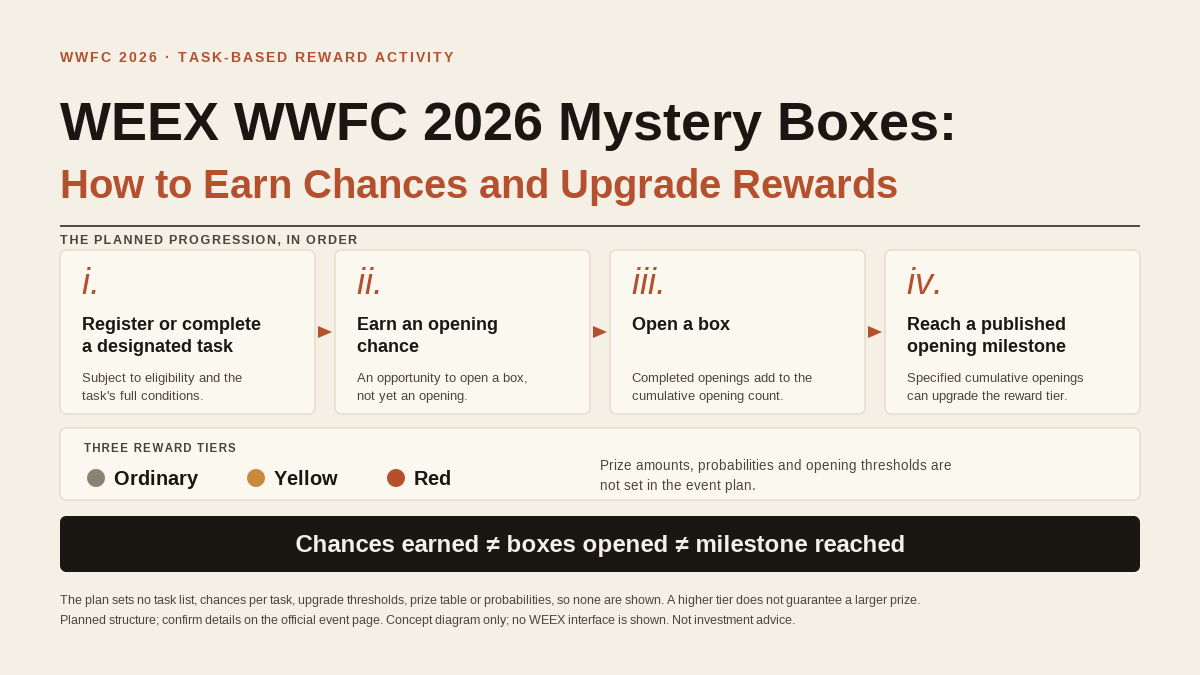
WEEX WWFC 2026 Mystery Boxes: How to Earn Chances and Upgrade Rewards
Explore WEEX WWFC 2026 mystery boxes: how to earn opening chances, understand three reward tiers, and track cumulative openings toward reward upgrades.
Crypto PNL vs Trading Volume: How WEEX WWFC 2026 Leaderboards Work
Compare crypto PNL, trading volume, and ROI with worked examples, and learn how to read the four planned WEEX WWFC 2026 leaderboards accurately.
Cardano’s $5M event budget faces 5 times more opposition

Repaying a Bitcoin-backed loan on Sui can leave you waiting to withdraw native BTC
Why Bitcoin’s quantum security upgrade may take years
Cysic CEO: Over 6 Million BTC Public Keys Exposed, Accounting for 31.2% of Circulation

Penetrating Social Trading Ledgers: Who is Really Making Profits Amidst the Traffic Noise?

Nearly two-thirds of Square Bitcoin payments were under $20

India Plans to Ease Disclosure Requirements for Foreign Investment Funds
Overview of 6 New AI Mining Projects: Perhaps the Most Noteworthy Track After Privacy Narratives
Bitcoin buyers face a trading issue as stablecoins just suffer their biggest supply drop since 2022
The 10-Year Treasury Yield Just Did Something It Hasn't Done Since 2007, and History Has a Blunt Message for Stock Investors
LME Tightens Constraints on Large Aluminum Market Positions
JPMorgan: Physical AI's 'ChatGPT Moment' Expected as Early as Next Year
Bernstein Releases 'AI Sell-off Misjudgment List': Dell, Broadcom Among Top Picks, CoreWeave 'Hasn't Fallen Enough'
Where can Bitcoin count toward a US exchange’s operating reserves?
Why Is the ATX Crypto Price Different Across Platforms? Project ATX (ATX) Explained
See why the ATX crypto price varies across platforms. Compare Project ATX mint addresses, PumpSwap pools, and swap quotes for the same trade size.
Latest articles


Latest coin listings on WEEX


